Navigating the complexities of large-scale construction projects requires meticulous planning and stringent oversight, especially when it comes to structural integrity and safety. This is where threshold inspections come into play, serving as a critical safeguard for buildings that meet specific size or occupancy criteria. For professionals involved in these vital checks, having a robust threshold inspection scope of work template is not just a convenience, it’s an essential tool for ensuring consistency, compliance, and clarity across all project phases.
A well-defined scope of work acts as the blueprint for the inspection process. It outlines the specific services to be provided, the responsibilities of all parties involved, the deliverables expected, and the reporting requirements. Without such a document, projects can quickly devolve into misunderstandings, missed details, and potential costly delays or safety compromises.
By clearly articulating what needs to be inspected, how it will be inspected, and by whom, a comprehensive template helps mitigate risks, streamline communication, and ultimately contribute to the successful and safe completion of a building project. It sets the stage for a transparent and accountable inspection process, benefiting developers, contractors, and the public alike.
Understanding the Essentials of a Threshold Inspection
Threshold inspections are a specialized category of structural inspections mandated by building codes for certain types of structures, typically those exceeding a specific height, occupancy load, or structural complexity. These projects often include multi-story buildings, large assembly spaces, or structures with unique design features that pose higher risks if structural failures were to occur. The primary goal is to ensure that the structural components are constructed in strict accordance with the approved plans and specifications, safeguarding public safety.
The regulatory framework for threshold inspections varies by jurisdiction, with some of the most comprehensive requirements found in states like Florida, which has a well-established “threshold building” definition. These regulations typically specify when such an inspection is required, who is qualified to perform it (often a licensed professional engineer or architect acting as a special inspector), and the scope of their duties. Understanding these local nuances is paramount when preparing any scope of work document.
The special inspector’s role extends beyond simply checking off items on a list. They are an independent third party responsible for observing and reporting on the structural construction, verifying that critical elements are installed correctly. This oversight is continuous, occurring at various stages of construction rather than just at completion. Their authority is significant, often including the power to stop work if non-compliance is observed.
Key phases of construction typically covered by threshold inspections include foundational elements, structural steel erection, concrete pouring and placement, post-tensioning operations, and masonry construction. Each phase presents unique challenges and critical junctures where precise execution is vital for the overall structural integrity of the building. The inspector must be present during these critical moments or review documentation of the work performed.
Thorough documentation and timely reporting are cornerstones of an effective threshold inspection. The special inspector is expected to maintain detailed records of their observations, tests performed, and any deficiencies noted. These reports are then submitted to the building official, providing an independent verification of compliance and offering a clear historical record of the construction process. This transparent reporting system enhances accountability.
Ultimately, the success of a threshold inspection hinges on clear communication and collaboration among all project stakeholders. The special inspector must work closely with the general contractor, subcontractors, and design team to address issues promptly and ensure that corrective actions are taken. This proactive approach helps prevent minor discrepancies from escalating into major structural problems, ensuring the project stays on track and within code.
Crafting Your Effective Threshold Inspection Scope of Work
Developing an effective threshold inspection scope of work is about more than just listing tasks; it’s about creating a living document that guides the inspection process from start to finish. A well-crafted scope of work should be comprehensive, clear, and legally sound, leaving no room for ambiguity regarding responsibilities or expectations. It acts as the foundational agreement between the owner, contractor, and special inspector, defining the boundaries and objectives of the inspection services.
The scope needs to detail the specific services provided by the special inspector, from pre-construction reviews of plans and specifications to on-site observations and final reporting. It should also clarify the project’s specific requirements, such as the relevant building codes and standards that apply to the structure. Including sections for communication protocols, meeting schedules, and dispute resolution mechanisms further enhances its utility and helps prevent common project pitfalls.
To ensure a thorough and robust threshold inspection scope of work template, consider incorporating the following key elements. These items help standardize the process and ensure all critical aspects are addressed:
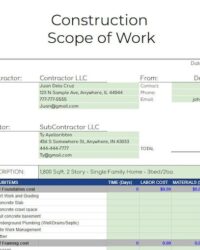
- Project Information and Identification: Clearly define the project name, location, owner, contractor, and special inspector firm.
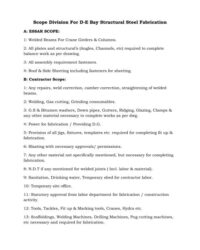
- Scope of Services: Detail specific inspection activities, including structural elements to be observed (e.g., foundations, concrete pours, rebar placement, structural steel connections), frequency of inspections, and any special testing requirements.
- Responsibilities of Parties: Outline the duties and obligations of the owner, contractor, and special inspector, including access to site, provision of documents, and response to deficiencies.
- Deliverables and Reporting Requirements: Specify the types of reports (e.g., daily logs, non-conformance reports, final reports), their content, frequency, and distribution method.
- Schedule and Milestones: Include a general timeline for inspection phases and critical hold points where inspections are mandatory before proceeding with further work.
- Fee Structure: Clearly state the payment terms, rates, and any reimbursable expenses associated with the inspection services.
- Legal and Contractual Provisions: Incorporate standard contract clauses regarding liability, insurance, indemnification, and dispute resolution.
A well-defined scope of work, carefully tailored to each project’s unique characteristics, becomes an invaluable asset. It not only ensures compliance with regulatory requirements but also fosters a culture of quality and safety throughout the construction lifecycle. By investing time in developing a comprehensive threshold inspection scope of work template, project teams can lay a solid foundation for structural integrity and project success.
Ultimately, using a clear and detailed scope of work minimizes potential disputes, keeps all parties aligned, and significantly contributes to the structural soundness and safety of threshold buildings. It’s an investment in peace of mind and quality assurance that pays dividends long after construction is complete, safeguarding both the occupants and the longevity of the structure itself.