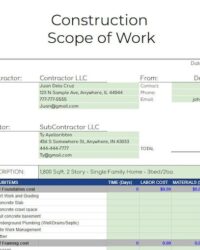
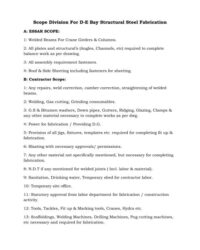
Embarking on any construction project, big or small, comes with a myriad of complexities. One of the most critical elements for ensuring a smooth, successful, and cost-effective journey is a clearly defined structural engineering scope of work template. Without it, you are essentially navigating uncharted waters, leading to potential misunderstandings, budget overruns, and frustrating delays for both the client and the engineering team. This foundational document acts as a compass, guiding all parties involved and outlining exactly what services will be provided, to what standard, and within what timeframe.
Having such a template isn’t just about formality; it is about setting clear expectations right from the outset. It ensures that everyone understands their roles, responsibilities, and the specific deliverables expected from the structural engineering team. This clarity prevents scope creep, where additional work is requested without proper agreement, and helps in accurately estimating project costs and timelines. Ultimately, a well-crafted scope of work leads to greater client satisfaction and a more efficient project execution.
So, whether you are a structural engineer, a project manager, or a client looking to commission structural design work, understanding the components of an effective scope of work is paramount. This article will walk you through the essential elements to include and best practices for developing a robust structural engineering scope of work template that stands the test of any project.
Understanding the Core Components of a Structural Engineering Scope
A robust structural engineering scope of work needs to be comprehensive, leaving no room for ambiguity. It details every aspect of the engineering service, from initial conceptualization to final construction support. Let’s break down the key sections you should always include to ensure clarity and avoid future disputes.
Project Overview and Objectives
This section sets the stage. It should clearly state the project name, its physical location, the client’s name, and the overall goals of the project from a structural perspective. What is being built or modified? What is the intended use of the structure? Are there any specific challenges or unique requirements that the structural design needs to address? Providing a concise summary here helps align everyone’s understanding from the start.
Deliverables
Perhaps the most crucial part, this outlines exactly what the structural engineering team will produce. This typically includes a detailed list of structural drawings (foundation plans, framing plans, sections, details), design calculations, technical specifications for materials and construction methods, and any required structural reports. Be as specific as possible about the number of revisions included and the format of the deliverables (e.g., PDF, CAD files).
Design Basis and Standards
Here, you’ll specify the codes, regulations, and industry standards that will govern the structural design. This might include local building codes, national standards (like ASCE 7 for loads or AISC for steel design), and any client-specific design guidelines. Detailing these ensures compliance and consistency in the design approach. It also covers the design criteria, such as assumed loads (dead, live, wind, seismic), material properties, and geotechnical report findings if available.
Services Excluded
Just as important as what is included, is what is explicitly *excluded*. This section helps manage expectations and prevents misunderstandings about services that are outside the structural engineer’s purview. Common exclusions might include architectural design, mechanical, electrical, and plumbing (MEP) engineering, civil site work design, surveying, environmental assessments, or specialized consulting services like historical preservation or acoustic analysis. Clearly stating these boundaries is vital for project success.
Project Schedule and Milestones
A timeline is essential for project management. This section should outline key dates, such as design submission deadlines, review periods, and anticipated construction support phases. Breaking the project into manageable milestones helps track progress and ensures that both the client and the engineering team are aware of critical deadlines.
Fees and Payment Schedule
Last but certainly not least, the financial aspect needs to be transparent. This section will detail the structural engineering fees, whether it’s a lump sum, hourly rate, or a percentage of construction cost. It also outlines the payment terms, invoicing schedule, and any provisions for additional services that fall outside the initial scope.
Best Practices for Tailoring Your Template
While a good structural engineering scope of work template provides a strong foundation, true success comes from tailoring it to each unique project. No two projects are exactly alike, and a one-size-fits-all approach can often lead to gaps or over-scoping. The key is to see your template as a dynamic starting point, ready to be customized and refined.
Start by having an in-depth conversation with your client. Listen carefully to their vision, concerns, and specific project requirements. What are their priorities? What level of detail do they expect? Are there any specific performance criteria or aesthetic considerations that might impact the structural design? This initial dialogue is invaluable for understanding the nuances of the project and ensuring that your adapted scope accurately reflects their needs. It allows you to anticipate potential challenges and integrate solutions or contingency plans into the scope from the beginning.
Once a draft is prepared, always engage in a collaborative review process. Share the proposed scope with the client and other relevant stakeholders. Encourage questions, feedback, and suggestions. This iterative process helps catch any ambiguities, omissions, or misunderstandings before they become costly problems during the project execution. It also fosters a sense of shared ownership and trust, which is crucial for a successful partnership.
- Regularly review project changes or requests for modifications.
- Document all amendments and get formal client approval for any scope adjustments.
- Ensure every detail is specific; avoid vague or general language.
- Clearly define responsibilities for data provision and decision-making from all parties.
A well-defined scope of work, carefully adapted and clearly communicated, is more than just a contractual obligation; it is a strategic tool. It empowers both the structural engineering team and the client with clarity, minimizes risks, and sets the stage for efficient project delivery. By investing time upfront in crafting and refining this essential document, you lay the groundwork for a successful and mutually rewarding construction journey, ensuring that every beam, column, and foundation meets its intended purpose without unexpected hurdles.