Teaching can often feel like a juggling act, balancing content delivery, student engagement, and ensuring everyone truly grasps the concepts. It is an art form that requires not just passion but also a solid framework to guide the learning journey. That is where structured planning comes into play, helping educators orchestrate lessons that are both impactful and efficient. One highly effective model that champions student independence while maintaining necessary support is the Gradual Release of Responsibility (GRR) framework.
The GRR model, often broken down into “I Do, We Do, You Do Together, You Do Alone,” provides a clear progression for learning, moving students from initial dependence on the teacher to confident independence. However, translating this robust theoretical model into daily classroom practice can be a bit daunting without the right tools. That is precisely why a well-designed grr lesson plan template becomes an invaluable asset, streamlining the planning process and ensuring all critical stages of the GRR model are seamlessly integrated into every lesson.
Understanding the Gradual Release of Responsibility Model
The Gradual Release of Responsibility model is more than just a teaching strategy; it is a philosophy that believes in progressively empowering learners. It acknowledges that true understanding and mastery come not just from listening, but from active participation and eventual independent application. By systematically transferring the cognitive load from the teacher to the student, this model ensures that learning is deep, durable, and truly owned by the student. It is about building confidence step by step, allowing students to tackle increasingly complex tasks as their skills develop.
The ‘I Do’ Phase: Focused Instruction
This is where the teacher takes center stage, explicitly modeling the skill or concept. Think alouds, demonstrations, and clear explanations are key here. The goal is to provide a clear, concise, and engaging example of what students are expected to learn or do. Students are primarily observing and listening, getting a clear picture of the target skill before they are asked to attempt it themselves. It is the foundation upon which all subsequent learning will be built.
The ‘We Do’ Phase: Guided Instruction
Following the teacher’s initial modeling, students begin to practice the skill or concept with significant support. This phase involves interactive instruction where the teacher and students work together on tasks. The teacher guides, prompts, and provides immediate feedback, correcting misconceptions and reinforcing correct approaches. It is a safe space for students to try out new learning in a low-stakes environment, knowing that help is readily available.
The ‘You Do Together’ Phase: Collaborative Practice
Once students have a basic grasp and have practiced with direct teacher guidance, they move into collaborative practice. Here, students work with peers, often in small groups or pairs, to apply the new skill. The teacher still circulates, offering support and clarifying instructions, but the primary interaction is among the students themselves. This phase encourages peer learning, discussion, and problem-solving, further solidifying their understanding.
The ‘You Do Alone’ Phase: Independent Practice
Finally, students apply the skill or concept independently. This is the stage where the teacher steps back almost entirely, allowing students to demonstrate their mastery on their own. This could be through individual assignments, projects, or assessments. Success in this phase indicates that the gradual release has been effective, and students can now confidently perform the skill without external assistance. It is the ultimate goal of the GRR model, fostering self-reliance and deep learning.
Why a GRR Lesson Plan Template Matters
Utilizing a grr lesson plan template significantly enhances the application of this model in the classroom.
- Ensures every GRR stage is intentionally addressed in your planning.
- Promotes consistency in instructional delivery across different lessons and subjects.
- Helps organize materials and assessment strategies effectively for each phase.
- Saves valuable planning time by providing a structured framework.
- Facilitates differentiation by prompting consideration of varying student needs at each stage.
Designing Your Lesson with a Grr Lesson Plan Template
Moving from understanding the GRR model to actually implementing it in your daily lessons is where a well-structured grr lesson plan template truly shines. It transforms an abstract pedagogical approach into a concrete, actionable plan for every single class. Imagine having a ready-made framework that prompts you to consider each crucial step of student learning, from your initial demonstration to their final independent mastery. This kind of template isn’t just about filling in blanks; it is about intentionally designing a learning experience that maximizes student engagement and comprehension, ensuring that the transfer of responsibility is smooth and effective for every learner.
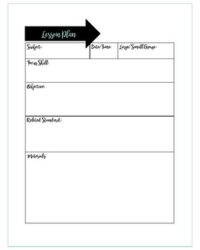
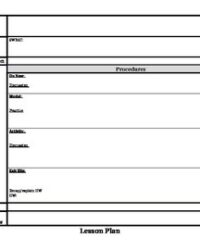
A comprehensive grr lesson plan template typically includes sections for learning objectives, essential questions, necessary materials, and specific areas dedicated to each phase of the GRR model. For instance, under “I Do,” you might detail your direct instruction strategies, what you will say, and how you will model the skill. The “We Do” section would outline guided practice activities, questions to ask, and how you will provide feedback. Similarly, “You Do Together” would describe collaborative tasks, and “You Do Alone” would specify independent assignments and assessment methods. This structured approach helps ensure that no critical step is missed and that there is a clear pathway for students to move towards mastery.
Beyond just the instructional phases, a good template also encourages you to think about differentiation strategies for supporting struggling learners and extending advanced students within each GRR stage. It prompts reflection on how you will assess student understanding at various points and how you will transition smoothly between phases. The beauty of using such a template is its adaptability; while the core structure remains, you can customize the content to fit any subject, any grade level, and any specific learning objective, making it an incredibly versatile tool for educators.
Here are some key elements to consider when utilizing or creating your own grr lesson plan template:
- Clearly stated learning objectives for the lesson.
- Specific materials and resources required for each phase.
- Detailed plan for the ‘I Do’ phase, including modeling and think-alouds.
- Interactive activities and prompts for the ‘We Do’ phase.
- Collaborative tasks and group configurations for the ‘You Do Together’ phase.
- Independent practice activities and assessment methods for the ‘You Do Alone’ phase.
- Space for differentiation strategies for varying student needs.
- Provisions for formative and summative assessment throughout the lesson.
Adopting a systematic approach to lesson planning, especially one rooted in the Gradual Release of Responsibility model, can profoundly impact the effectiveness of your teaching. It moves beyond simply covering content to truly ensuring students internalize and can apply what they learn. By thoughtfully structuring each stage of instruction, you are not just delivering information; you are building student capacity and fostering a deeper understanding of the subject matter.
Ultimately, whether you are a seasoned educator or just starting your journey, embracing structured planning tools empowers you to create more dynamic and student-centered learning experiences. It provides a roadmap for transferring knowledge and skills in a way that respects the natural learning progression, leading to more confident, competent, and independent learners in your classroom.