Ever feel like you are doing all the heavy lifting in the classroom, only for your students to struggle when it comes time for them to work independently? It is a common challenge, but there is a powerful instructional framework designed to seamlessly shift responsibility from teacher to student, fostering true understanding and independence. This framework, known as gradual release of responsibility, is a cornerstone of effective teaching, ensuring that learners are supported at every step of their journey.
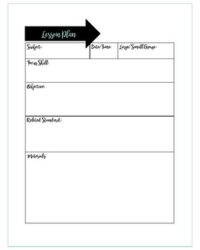
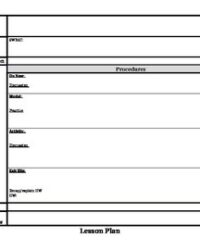
Implementing this approach effectively often hinges on having a clear, structured plan in place. That is where a well-designed gradual release lesson plan template becomes an invaluable tool. It helps educators systematically guide students through new concepts, providing just the right amount of support when it is needed most, and gradually pulling back as students gain confidence and mastery.
Understanding the Gradual Release of Responsibility Framework
The gradual release of responsibility model is often visualized as a four-phase process: “I Do” (Teacher Models), “We Do” (Guided Practice), “You Do Together” (Collaborative Practice), and “You Do Alone” (Independent Practice). Each phase serves a distinct purpose, building upon the previous one to ensure a smooth transition from novice to expert. It is not just about teaching a concept, but about teaching students how to learn and apply that concept on their own.
This systematic approach helps to demystify complex tasks and empowers students to take ownership of their learning. It reduces anxiety, as students are never thrown into the deep end without proper scaffolding. Instead, they are given ample opportunities to practice with support, observe successful strategies, and build confidence before tackling challenges on their own. This structured journey is what makes the gradual release framework so effective in diverse learning environments.
The Foundational Stages: I Do and We Do
The “I Do” phase is all about modeling. Here, the teacher explicitly demonstrates the skill or concept, thinking aloud their thought processes, strategies, and problem-solving steps. It is like an expert performing a task while narrating every decision and action. Students are active listeners and observers during this stage, absorbing the information and the approach. The goal is for them to see what success looks like and how to achieve it.
Following the “I Do” comes the “We Do” phase. This is where students begin to participate with significant teacher support. The teacher guides the class or small groups through problems or tasks, providing prompts, asking probing questions, and offering immediate feedback. It is a collaborative effort where mistakes are viewed as learning opportunities, and the teacher acts as a facilitator, ensuring everyone is on the right track. This phase is crucial for bridging the gap between observation and independent application.
Moving Towards Independence: You Do Together and You Do Alone
The “You Do Together” phase transitions students from direct teacher guidance to peer collaboration. Students work in pairs or small groups to apply the learned skills, relying on each other for support and discussion. The teacher monitors these groups, stepping in only when necessary to clarify misconceptions or redirect. This stage fosters communication, teamwork, and the ability to articulate one’s understanding to others, solidifying the learning process.
Finally, the “You Do Alone” phase is the ultimate test of understanding. Students independently apply the skill or concept, demonstrating their mastery without any direct assistance. This could be through an individual assignment, a short quiz, or an independent project. This phase allows the teacher to assess individual student comprehension and identify any areas where further instruction might be needed. The entire gradual release lesson plan template is designed to ensure students are well-prepared for this final, independent step.
Crafting Your Own Gradual Release Lesson Plan Template
Designing an effective gradual release lesson plan template involves considering several key elements that will guide both your instruction and student learning. It is more than just outlining the four “Do” phases; it is about ensuring all the pieces are in place for a comprehensive and successful learning experience. A good template acts as your roadmap, keeping you organized and ensuring consistency across your lessons.
When you are putting together your own template, think about what information you need at a glance to execute a lesson flawlessly and what information students might need to understand the learning journey. The beauty of a template is that once you have a solid structure, you can easily adapt it for various subjects and topics, saving you valuable planning time in the long run. It helps ensure that no crucial step is missed and that student progression is always at the forefront of your teaching.
Here are essential components to include in your gradual release lesson plan template:
Embracing the gradual release of responsibility framework transforms teaching from a one-way information transfer into a dynamic, student-centered process. It is about empowering learners to become independent thinkers and problem-solvers, equipping them with the strategies they need to succeed long after they leave your classroom. This model builds confidence and competence, ensuring that students are not just memorizing facts but truly understanding and applying concepts.
By consistently using a structured approach, you provide your students with the scaffolding necessary to tackle complex tasks, leading to deeper comprehension and retention. The investment in creating and utilizing a robust gradual release lesson plan template pays dividends in student achievement and teacher effectiveness. It is a win-win for everyone involved in the learning process, fostering an environment where every student has the opportunity to shine.