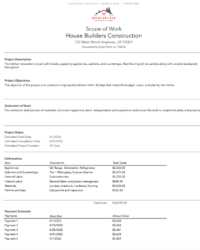
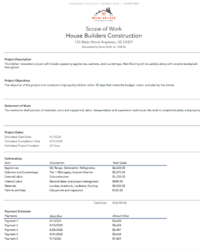
Embarking on a demolition project, whether it is for a small interior renovation or a complete structural knockdown, involves more than just bringing in heavy machinery. It is a complex undertaking that demands meticulous planning, strict adherence to safety protocols, and a clear understanding of every step involved. Without a solid framework, projects can quickly spiral out of control, leading to unexpected costs, delays, and potential safety hazards.
This is precisely why having a robust demolition scope of work template is not just helpful but absolutely essential. It serves as the blueprint for your entire project, outlining responsibilities, timelines, safety measures, and environmental considerations. A well-crafted template ensures that all parties involved are on the same page, fostering clear communication and preventing misunderstandings before they even arise.
In this article, we will explore the critical elements that make up an effective demolition scope of work, guiding you through how to construct a comprehensive document that sets your project up for success from the very beginning. We will cover everything from initial project details to safety protocols and waste management, ensuring you have all the tools to manage your next demolition efficiently and safely.
Understanding the Core Components of Your Demolition SOW
A comprehensive demolition Scope of Work, often abbreviated as SOW, is the backbone of any successful demolition project. It articulates the exact services to be provided by the demolition contractor, setting clear expectations for both the client and the contractor. This document eliminates guesswork and provides a detailed roadmap from project initiation to completion, ensuring transparency and accountability at every stage. It covers the what, when, where, and how of the demolition, leaving no room for ambiguity.
Project Overview and Site Information
The first step in any demolition scope of work is to clearly define the project itself. This section lays the groundwork by providing essential background details and specific information about the site where the demolition will occur. It is crucial for giving all stakeholders an immediate understanding of the project’s context and location.
- Project Name and Unique Identifier: Clearly state the formal name of the demolition project.
- Client and Contractor Details: Include full legal names, addresses, and contact information for both parties.
- Project Location and Site Address: Provide the precise physical address and any relevant coordinates.
- Existing Site Conditions: Briefly describe the current state of the structures or areas to be demolished, including any known hazards or specific characteristics.
- Site Access and Logistics: Detail how the site will be accessed, including entry points, staging areas, and any restrictions.
Next, the SOW must explicitly detail the actual work to be performed. This is where you specify exactly what is being demolished and any particular methods or considerations that need to be observed. Precision here prevents misinterpretations and ensures the contractor understands the full extent of the job.
- Structures or Elements to Be Demolished: Clearly list or describe all buildings, walls, foundations, or other components slated for removal.
- Demolition Methods: Specify the techniques to be used, such as manual dismantling, mechanical demolition with excavators, implosion, or selective demolition.
- Salvageable Materials: Identify any materials that need to be carefully removed and retained for reuse or recycling.
- Hazardous Materials Assessment: Mention if a hazardous materials survey has been completed and outline the plan for handling asbestos, lead paint, or other regulated substances.
- Permits and Notifications: List all necessary permits obtained or to be obtained, along with any required notifications to local authorities or utility companies.
Safety Protocols and Compliance
Safety is paramount in any demolition project. A robust SOW dedicates a significant section to outlining all safety measures, regulatory compliance, and emergency procedures. This demonstrates a commitment to protecting workers, the public, and the environment.
- Applicable Regulations: Reference all relevant local, state, and federal safety regulations (e.g., OSHA standards).
- Site-Specific Safety Plan: Require the contractor to submit and adhere to a detailed safety plan tailored to the project.
- Personal Protective Equipment (PPE): Specify the mandatory PPE for all personnel on site.
- Emergency Procedures: Outline protocols for medical emergencies, fires, spills, and other incidents, including contact information for emergency services.
- Site Security: Detail measures to secure the site, preventing unauthorized access and protecting adjacent properties.
Beyond safety, responsible waste management and environmental protection are crucial aspects of modern demolition projects. This section of your SOW addresses how debris will be handled and how environmental impacts will be mitigated, reflecting sustainable practices.
- Debris Removal Plan: Describe the process for collecting, loading, and transporting demolition debris, including designated disposal sites.
- Recycling and Reuse Goals: Outline targets for recycling specific materials (e.g., concrete, metal, wood) and methods for diversion from landfills.
- Dust and Noise Control: Detail measures to minimize dust emissions and noise pollution, especially in sensitive areas.
- Erosion and Sediment Control: Specify plans to prevent soil erosion and manage stormwater runoff during and after demolition.
Crafting a Clear and Concise Demolition Scope of Work
When you’re putting together your demolition scope of work template, clarity and precision should be your guiding principles. Ambiguity in a legal document like an SOW can lead to disputes, delays, and cost overruns. Every sentence should be straightforward, detailing expectations without leaving room for individual interpretation. Use clear, actionable language and avoid jargon where possible, or define it if absolutely necessary. Think of it as painting a very detailed picture of the finished project and the process to get there, using only words.
Beyond just writing it down, the SOW serves as a vital communication tool. It ensures that everyone involved, from the client and project managers to the demolition crew on site, understands their roles and responsibilities. Once drafted, it’s highly beneficial to review the demolition scope of work with all key stakeholders. This collaborative approach allows for questions to be answered, clarifications to be made, and any potential issues to be identified and addressed before work commences. An agreed-upon SOW fosters trust and alignment among all parties, reducing the likelihood of disagreements down the line.
Ultimately, a meticulously prepared demolition scope of work template is not just a formality; it is a foundational element for project success. It acts as a comprehensive agreement that outlines not only the physical work but also the safety standards, environmental considerations, and financial terms. By investing the time and effort into creating a thorough and clear SOW, you are essentially laying a strong foundation for a project that is executed safely, on budget, and on schedule, protecting the interests of everyone involved and ensuring a smooth, efficient demolition process from start to finish.
A well-structured SOW will provide peace of mind and serve as an invaluable reference point throughout the entire demolition lifecycle, helping to navigate any unforeseen challenges with a clear plan. It empowers both parties with a detailed understanding of the project’s parameters, ensuring that what was agreed upon is what gets delivered, without unpleasant surprises.