Every educator knows the feeling: standing in front of a classroom, a room full of eager (or sometimes not-so-eager) faces, ready to embark on a learning journey. The success of that journey often hinges on how well it’s planned. We’ve all spent countless hours pouring over curriculum, brainstorming activities, and trying to anticipate every possible student question. But what if there was a way to structure your planning that not only streamlined the process but also significantly boosted student engagement and comprehension?
That’s where the powerful “before during after” framework comes into play. It’s more than just a sequence; it’s a philosophical approach to teaching that ensures every moment of your lesson is purposeful, building on prior knowledge, facilitating active learning, and cementing new understanding. It provides a clear, logical flow that benefits both the teacher and the learner, moving beyond simply delivering content to truly facilitating meaningful educational experiences.Why the Before During After Framework is a Game-Changer
Think about how you typically prepare for a lesson. Do you often jump straight into the main activity, assuming students are already primed and ready? Or perhaps you focus heavily on content delivery without a clear strategy for what happens once the information has been shared? The before during after framework encourages a holistic view of the learning process, breaking it down into three critical phases, each with distinct goals and activities. This structure ensures that no stone is left unturned when it comes to student readiness, active participation, and lasting retention.
This systematic approach brings incredible clarity to your lesson design. Instead of a chaotic mix of activities, you have a purposeful progression. It forces you to consider what students need to know or do *before* diving into the core material, how to best engage them *during* the instruction, and what measures are necessary *after* the lesson to solidify their understanding and allow for application. This thoughtful sequencing can transform a good lesson into a truly exceptional one, maximizing every minute of instructional time.
The “Before” Phase: Setting the Stage for Success
The “before” phase is all about preparation, not just for you, but for your students. It’s the critical time to activate prior knowledge, pique curiosity, and set clear expectations. Imagine trying to build a house without laying a foundation; that’s what teaching without a solid “before” phase can feel like. This phase helps students connect new information to what they already know, making the new learning more accessible and meaningful. It’s also where you clearly state the learning objectives, giving students a roadmap for what they are about to learn.
- **Activate Prior Knowledge:** Use warm-up questions, quick polls, or short discussions to tap into what students already know about the topic.
- **Set the Purpose:** Clearly state the learning objectives and explain why the topic is important or relevant to their lives.
- **Build Background:** Introduce essential vocabulary or concepts that students will need to understand the lesson.
- **Hook Them In:** Use an engaging anecdote, a compelling question, or a surprising fact to capture their attention.
The “During” Phase: Active Engagement and Exploration
This is where the magic happens – the core of your instruction and the primary learning activities. The “during” phase isn’t just about you talking; it’s about students doing, exploring, and interacting with the content. This phase should be dynamic, incorporating various instructional strategies to cater to different learning styles. It’s about guided practice, collaborative work, hands-on experiments, and deep discussions. The goal is active participation, not passive reception of information.
- **Deliver Content Strategically:** Present new information in manageable chunks using diverse methods (lecturettes, videos, readings).
- **Facilitate Active Learning:** Engage students with group work, problem-solving, debates, experiments, or simulations.
- **Provide Guided Practice:** Offer opportunities for students to practice new skills with your support and feedback.
- **Monitor and Adjust:** Circulate, observe student understanding, and be prepared to clarify or re-teach as needed.
The “After” Phase: Solidifying Learning and Application
Too often, lessons end abruptly once the content has been delivered. However, the “after” phase is crucial for ensuring that learning sticks. This is the time for reflection, assessment, and application of new knowledge. It allows students to consolidate what they’ve learned, identify any lingering misconceptions, and consider how they can apply this new understanding in different contexts. It’s not just about a test; it’s about making learning durable.
- **Summarize and Reflect:** Have students summarize key takeaways or reflect on their learning process.
- **Assess Understanding:** Use formative assessments like exit tickets, quick quizzes, or short presentations to gauge comprehension.
- **Extend and Apply:** Provide opportunities for students to apply their new knowledge in novel situations or connect it to real-world scenarios.
- **Provide Feedback:** Offer constructive feedback on their performance and guide them on next steps.
Crafting Your Own Before During After Lesson Plan Template
Now that you understand the power of this framework, let’s talk about putting it into practice. Creating your own before during after lesson plan template isn’t about rigid adherence to a formula; it’s about building a flexible tool that reflects your teaching style, your students’ needs, and your subject matter. The beauty of a template is that it provides a consistent structure, allowing you to focus your creative energy on the content and activities, rather than reinventing the wheel for every lesson. It’s an investment that pays dividends in efficiency and effectiveness.
When you sit down to develop your template, consider what essential information you consistently need to plan an effective lesson. Think about the specific prompts or sections that will help you thoroughly address each of the “before,” “during,” and “after” phases. Will you need a section for materials? What about differentiation strategies for diverse learners? The more thoughtful you are in designing your template, the more useful it will become in your daily planning routine. This template will become your go-to guide, ensuring you hit all the critical points for a successful learning experience.
Remember, your template is a living document. As you use it, you’ll discover what works best for you and your students. Don’t hesitate to tweak and refine it over time. The goal is to create a before during after lesson plan template that truly serves as a supportive backbone for your teaching, empowering you to deliver engaging, impactful lessons consistently. It’s about empowering yourself as an educator to foster deeper learning and engagement in every single class.
- Lesson Title & Subject
- Grade Level/Audience
- Time Allotment
- Learning Objectives (SMART goals)
- Materials & Resources Needed
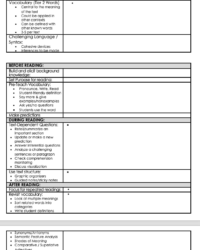
- **Before Phase:**
- Prior Knowledge Activation Strategy
- Hook/Engage Activity
- Objective Introduction
- Vocabulary Preview
- **During Phase:**
- Content Delivery Method(s)
- Active Learning Activities (e.g., group work, independent practice)
- Differentiated Instruction Notes
- Teacher Monitoring/Support Strategies
- **After Phase:**
- Summary/Review Activity
- Formative Assessment Method
- Extension/Application Activities
- Homework/Follow-up
- Reflection Notes (for future planning)
Embracing the before during after framework in your lesson planning isn’t just about adopting a new structure; it’s about adopting a more thoughtful and student-centered approach to education. By dedicating specific attention to preparing students, actively engaging them, and then solidifying their learning, you create a powerful cycle that enhances comprehension, retention, and the overall educational experience. It’s a method that promises more effective teaching and, crucially, more profound learning outcomes for every student you teach.
Ultimately, a well-crafted lesson plan that incorporates these three vital phases can transform your classroom. It empowers you to move beyond simply covering content to truly guiding students through a meaningful intellectual journey, ensuring they don’t just hear information but truly grasp, internalize, and apply it. This strategic foresight in planning is what elevates teaching from a task to an art, benefiting everyone involved in the learning process.