Ever feel like you’re planning lessons backwards? Well, in the world of effective teaching, that’s precisely the point! Backward design is a highly effective instructional planning method that flips the traditional approach on its head, starting with the end in mind. Instead of beginning with activities, you first clarify what students should learn, then how you’ll assess that learning, and only then do you design the learning experiences. It’s a powerful framework that ensures your teaching is purpose-driven and student-centered, leading to more impactful and cohesive lessons. Think of it as mapping out your destination before you even consider the car you’ll drive or the roads you’ll take.
This approach isn’t just about efficiency; it’s about efficacy. It helps educators create clear learning goals, develop appropriate assessments, and then craft engaging activities that genuinely help students achieve those goals. If you’ve ever struggled with aligning your daily activities to long-term objectives, or found yourself scrambling for an assessment that truly measures what you’ve taught, backward design offers a systematic solution. It provides a blueprint for success, making your lesson planning more intentional and your teaching more effective. Let’s dive deeper into how this method works and how a robust backward design lesson plan template can transform your instructional practice.
Understanding the Core Principles of Backward Design
At its heart, backward design is surprisingly intuitive, often summarized in three key stages. It’s a process that encourages educators to think like an assessor before they think like an instructor. This fundamental shift ensures that every activity, every discussion, and every resource serves a specific, measurable learning outcome. By identifying the desired results first, you prevent the common pitfall of “activity-driven” instruction where students are busy, but not necessarily learning what truly matters. It’s about building a strong foundation, brick by brick, ensuring each piece contributes to the overall structure of understanding.
The first stage focuses entirely on identifying the desired results. This means moving beyond vague objectives to pinpoint specific, measurable, and achievable learning goals. What should students know, understand, and be able to do by the end of the lesson, unit, or course? These aren’t just topics to be covered; they are genuine competencies and enduring understandings that students will carry with them. This stage demands clarity and precision, as it forms the bedrock for everything that follows. Without clearly defined targets, hitting them becomes a matter of chance rather than design.
Stage 1: Identify Desired Results
This initial phase involves unpacking curriculum standards, considering big ideas, and formulating essential questions. It’s about determining what knowledge is worth knowing, what skills are worth mastering, and what understandings are truly enduring. Asking yourself, “What do I want students to understand and be able to do five years from now?” can help distinguish between fleeting facts and lasting insights. This stage sets the compass for the entire learning journey.
The second stage involves determining acceptable evidence. Once you know what you want students to learn, how will you know if they’ve learned it? This stage requires thinking about assessment from a broad perspective, encompassing everything from informal checks for understanding to formal performance tasks. It’s about gathering evidence that truly demonstrates mastery of the desired results, not just recall of information. This proactive approach to assessment design ensures that your evaluations are fair, valid, and directly aligned with your learning goals. It’s about collecting proof that learning has occurred.
Stage 2: Determine Acceptable Evidence
Here, you design assessments that reveal the extent to which students have achieved the desired results. This often includes a mix of formative and summative assessments, such as quizzes, projects, essays, presentations, or performances. The key is to think about the kind of evidence that would convince you students have truly grasped the core concepts and skills identified in Stage 1.
Finally, the third stage is where you plan learning experiences and instruction. Only after clarifying the desired results and the acceptable evidence do you design the lessons and activities. This ensures that every instructional strategy, every resource, and every classroom activity is purposefully chosen to help students achieve the identified goals and prepare them for the chosen assessments. This stage is about crafting the learning journey itself, with all the necessary detours, scenic routes, and challenges designed to lead students effectively to their destination.
Stage 3: Plan Learning Experiences and Instruction
With outcomes and assessments in mind, you can now select appropriate teaching methods, instructional materials, and learning activities. This involves considering the WHERETO framework (Where are we going? Hook and Hold. Explore. Rethink and Revise. Evaluate. Tailor. Organize) to ensure comprehensive and engaging instruction that builds understanding and skills progressively.
Crafting Your Own Backward Design Lesson Plan Template
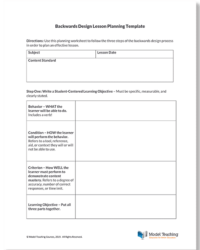
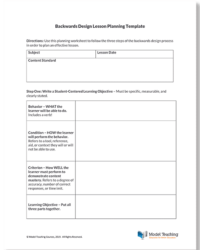
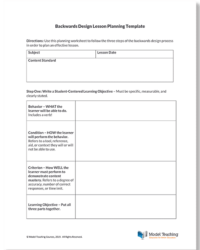
Building your own backward design lesson plan template isn’t just about filling in blanks; it’s about internalizing a strategic planning mindset. A well-structured template serves as a consistent guide, ensuring you hit all the critical components of the backward design process every time you plan a lesson or unit. It transforms a complex methodology into a practical, repeatable workflow, allowing you to focus more on the nuances of student learning and less on remembering the steps of the planning process. Having a personal template also allows for customization, letting you tailor it to your specific subject area, grade level, and teaching style, making it an invaluable tool in your professional toolkit.
The benefits of using a dedicated backward design lesson plan template are immense. It promotes clarity of purpose, ensuring that every minute of class time contributes meaningfully to student understanding. It fosters coherence between instruction and assessment, minimizing the dreaded feeling of “teaching to the test” because the assessments are designed to genuinely reflect the learning outcomes. Furthermore, it saves time in the long run by providing a clear framework that prevents aimless planning and allows for easier adaptation and revision in subsequent years. It’s a living document that evolves with your practice, becoming more refined and effective with each use.
When creating or adapting a backward design lesson plan template, consider incorporating sections that prompt you to address each stage comprehensively. While the exact headings might vary, the core elements remain consistent with the three stages of backward design. This systematic approach ensures that you’re always thinking about the “why” before the “what” and “how.”
- **Unit/Lesson Title & Context:** Provide basic information like subject, grade level, time frame, and any prerequisite knowledge.
- **Stage 1: Desired Results:**
- Established Goals (Standards): List specific curriculum standards or learning objectives.
- Understandings: What big ideas should students grasp? (e.g., “Students will understand that…”)
- Essential Questions: Compelling questions that guide inquiry and provoke thought.
- Knowledge: What factual information should students know?
- Skills: What specific abilities should students be able to do?
- **Stage 2: Acceptable Evidence:**
- Performance Tasks: Authentic assessments that require students to apply their knowledge and skills.
- Other Evidence: Quizzes, tests, observations, discussions, homework, journals, etc.
- Rubrics/Criteria for Success: How will student work be evaluated?
- **Stage 3: Learning Plan:**
- Learning Activities: Specific instructional strategies, lessons, and assignments.
- Materials & Resources: What resources are needed for teaching and learning?
- Differentiation & Accommodations: How will you support diverse learners?
- Assessment Timeline: When will formative and summative assessments occur?
Adopting backward design as your primary planning methodology can genuinely revolutionize your teaching practice. By consistently starting with the end in mind, you create a focused, coherent, and highly effective learning environment for your students. This intentional approach ensures that every lesson you deliver is purposeful, directly contributing to meaningful understanding and skill development, rather than merely covering content. It empowers you to be a more deliberate and impactful educator, confident that your efforts are always aligned with genuine learning outcomes.
Embracing a systematic backward design lesson plan template isn’t just about organizational efficiency; it’s about fostering deeper student learning and greater teaching satisfaction. It transforms the often-daunting task of lesson planning into a clear, logical progression, allowing you to craft experiences that truly resonate with your students and prepare them for future success. This strategic framework ultimately leads to a more fulfilling and successful journey for both you and your learners, ensuring that every educational step is taken with a clear purpose.