Embarking on any construction project, big or small, comes with a unique set of challenges and complexities. One of the most critical documents to ensure smooth sailing and clear communication is a well-defined scope of work. It acts as the blueprint for tasks, responsibilities, and deliverables, making a standard construction scope of work template an invaluable tool for contractors, clients, and project managers alike. Without it, even the most straightforward projects can quickly spiral into misunderstanding and delays.
Imagine building a house without a detailed plan. You wouldn’t know where the walls go, what materials to use, or how long each phase should take. The same principle applies to the project’s journey itself. A comprehensive scope prevents guesswork, minimizes change orders, and establishes a shared understanding among all parties involved, drastically reducing the risk of costly disputes and missed deadlines.
Essentially, a construction scope of work template is more than just a list of items; it’s a foundational agreement. It outlines the project’s boundaries, defining exactly what will be done, by whom, and under what conditions. This document ensures everyone is on the same page from the very beginning, setting clear expectations for quality, timeline, and budget, which are paramount for any successful construction endeavor.
Understanding the Core Components of a Comprehensive Scope of Work
A truly effective scope of work goes far beyond a simple task list. It’s a living document that paints a detailed picture of the project from conception to completion, ensuring every aspect is considered and communicated. Let’s dive into the essential elements that make up such a vital document, helping you understand how each piece contributes to overall project clarity and success.
Project Overview and Objectives: Setting the Stage
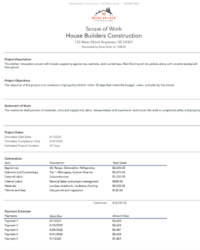
Every scope of work should begin with a clear, concise overview of the project. This section introduces the project’s purpose, its main goals, and the desired outcome. It answers fundamental questions like “What are we building?” and “Why are we building it?”. Defining measurable objectives here, such as “construct a two-story residential building with three bedrooms within six months,” provides a north star for everyone involved and helps in tracking progress against specific targets.
Detailed Description of Work: From Foundation to Finish
This is often the longest and most critical part of the scope. It breaks down all the specific tasks, activities, and phases required to complete the project. From excavation and foundation pouring to framing, electrical work, plumbing, finishes, and landscaping, every single step should be listed. It should describe the methodology, the resources to be used, and any specific techniques or standards that must be adhered to. This granular detail ensures no stone is left unturned and responsibilities are clearly delineated.
Deliverables and Expected Outcomes: What Success Looks Like
What exactly will be handed over to the client at the end of the project? This section details all the physical outputs and intangible results. Deliverables might include completed structures, installed systems, final inspection reports, warranties, and even operational manuals. Clearly defining these outcomes helps in setting expectations for the final product and provides benchmarks against which project completion can be measured and approved.
Exclusions, Assumptions, and Constraints: Clarity is King
Equally important to what is included is what is explicitly excluded. This prevents scope creep and avoids misunderstandings about tasks or materials that are not part of the agreement. Assumptions, such as the client providing access to the site or utilities being available, should also be listed. Constraints, like budget limitations, specific site conditions, or regulatory requirements, are vital to document as they influence how the project can proceed.
Timelines, Milestones, and Payment Schedules: Keeping Things on Track
A project without a timeline is a project without direction. This section outlines the estimated start and end dates for the overall project and for key phases or milestones. Linking these milestones to a payment schedule provides transparency for the client and ensures consistent cash flow for the contractor, motivating timely completion of each stage. Clear dates and payment terms are essential for financial and operational planning.
Quality Standards and Inspection Protocols: Ensuring Excellence
To guarantee that the final product meets the client’s expectations and industry best practices, the scope should specify the quality standards to be maintained. This might reference building codes, material specifications, or specific craftsmanship requirements. Additionally, outlining the inspection process, including who performs inspections, when they occur, and how deficiencies will be addressed, ensures accountability and maintains high-quality outputs throughout the project lifecycle.
Crafting Your Own Effective Scope of Work Document
While a standard construction scope of work template provides an excellent foundation, the real magic happens when you customize it to fit the unique nuances of your specific project. No two construction jobs are exactly alike, and your scope document should reflect those differences, incorporating all the specific details that make your project distinct. Think of the template as a robust skeleton, and your project’s details as the muscle and sinew that bring it to life.
Start by populating the template with as much detail as possible, drawing directly from your project plans, client discussions, and site assessments. Don’t be afraid to add extra sections or remove irrelevant ones. The goal is clarity and comprehensiveness, ensuring that anyone reading the document, from the project manager to the newest laborer, understands their role and the expectations placed upon them. This iterative process of filling in, refining, and getting feedback is crucial for creating a document that genuinely works for everyone involved.
The benefits of using a template as your starting point are immense. It saves time, ensures you don’t miss critical sections, and provides a professional, organized structure. However, remember to always review and revise. Share a draft with all key stakeholders – the client, your team, and any major subcontractors. Their feedback is invaluable for catching omissions, clarifying ambiguities, and gaining buy-in, transforming a generic document into a powerful, project-specific guide that fosters success from start to finish.
Utilizing a meticulously crafted scope of work document is not just a best practice; it is a fundamental requirement for successful project delivery. It empowers all parties with crystal-clear direction, minimizes the potential for miscommunication, and acts as a single source of truth to guide decisions and resolve disputes throughout the project’s lifespan. By investing time upfront in developing this comprehensive document, you lay a solid groundwork for efficiency, collaboration, and ultimately, a project completed on time and within budget.
Embracing the principles of a well-defined scope ensures that your next construction project runs more smoothly, with fewer surprises and more predictable outcomes. It transforms potential chaos into a structured, manageable process, leading to greater client satisfaction and a more profitable venture for your team. Start crafting your detailed scope today and experience the difference clarity makes.