Embarking on any renewable energy project, be it solar panel installation, wind farm development, or battery storage solutions, is an exciting venture that promises a greener future. However, the path to success is often paved with meticulous planning and clear communication. This is precisely where a robust renewable energy scope of work template becomes an indispensable tool, laying down the groundwork for everyone involved to understand their roles, responsibilities, and the project’s ultimate goals. It removes ambiguity and sets a professional tone right from the start.
Renewable energy projects are inherently complex, involving diverse technical requirements, regulatory compliance, environmental considerations, and multiple stakeholders. Without a clearly defined scope, even the most promising initiatives can face delays, cost overruns, and misunderstandings that could easily be avoided. Think of it as the project’s blueprint, guiding every decision and action from conception to completion.
Having a standardized approach through a well-crafted template ensures consistency across different projects and teams. It streamlines the initial planning phase, allowing project managers to quickly adapt and customize a proven framework rather than starting from scratch every single time. This efficiency not only saves valuable time and resources but also significantly enhances the likelihood of delivering projects on schedule and within budget.
Why a Solid Scope of Work is Your Project’s North Star
A comprehensive Scope of Work (SOW) acts as the foundational contract and understanding between all parties involved in a renewable energy project. It’s more than just a document; it’s a living guide that prevents disputes, manages expectations, and drives the project forward with purpose. Without this clarity, teams can easily veer off course, leading to wasted effort and resources. It essentially outlines what needs to be done, how it will be done, and who is responsible for each piece of the puzzle.
Defining Clear Objectives and Deliverables
At its core, a good SOW must clearly articulate the project’s overall objectives. What specific problems is this renewable energy solution addressing? What are the quantifiable benefits expected? Beyond the broad goals, it meticulously lists all deliverables, whether they are feasibility reports, system designs, equipment procurement, installation milestones, or final operational systems. Each deliverable should be described in sufficient detail so that there is no room for misinterpretation regarding its nature or quality. This level of detail ensures that everyone understands what success looks like.
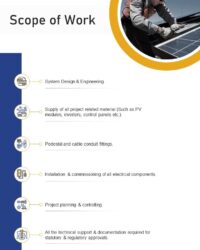
Furthermore, the SOW delves into the specifics of the services to be provided. For a solar project, this might include site assessment, system design engineering, panel mounting, inverter installation, wiring, grid connection, and commissioning. For a wind project, it could detail turbine foundation work, tower erection, blade assembly, control system integration, and grid synchronization. Each service needs a clear description, helping to manage expectations regarding the extent and depth of the work performed.
Resource Allocation and Timelines
A critical component of any SOW is the delineation of roles and responsibilities for every party involved. Who is the primary contractor? Who is responsible for permits? What are the client’s obligations? Clearly assigning these roles prevents overlap or, worse, critical tasks falling through the cracks. It fosters accountability and ensures that everyone knows their part in the grand scheme of things.
Equally important are the project timelines and milestones. The SOW should break down the project into manageable phases, each with a defined start and end date. Specific milestones, such as “permit acquisition complete” or “equipment delivery,” provide crucial checkpoints for progress monitoring. This structured timeline helps keep the project on track and allows for proactive management of potential delays, rather than reactive damage control.
Budgeting and Quality Assurance
The financial aspect is, of course, paramount. The SOW must clearly outline the project budget, including payment schedules, invoicing procedures, and any provisions for change orders. Transparency in financial terms from the outset prevents future disagreements and ensures a smooth flow of funds, keeping the project financially viable. It should specify what costs are included and what might be considered extra, such as unforeseen site conditions or additional client requests.
Finally, a robust SOW always includes provisions for quality assurance and acceptance criteria. How will the quality of work be measured? What standards must be met? What is the process for client sign-off on completed phases or the final project? Establishing these benchmarks beforehand ensures that the delivered renewable energy system meets agreed-upon performance and reliability standards, providing lasting value and peace of mind for all stakeholders.
Building Your Own Renewable Energy Scope of Work Template
Creating a versatile renewable energy scope of work template doesn’t mean you have to invent the wheel every time. Instead, it involves building a adaptable framework that can be customized for different project sizes and types. Start with the core elements that are common to almost all renewable energy installations and then consider specific sections that might vary. This approach ensures you have a comprehensive starting point that can be quickly tailored to new opportunities, saving significant time and reducing the risk of overlooking critical details.
When you’re putting together your template, think about the full lifecycle of a project, from initial discussions to post-installation support. Including placeholders for project-specific details, such as client names, site locations, and specific technology being deployed, will make the template highly practical. Remember, the goal is to create a living document that guides rather than restricts, allowing for the natural evolution of a project while maintaining clarity.
Here are some essential sections to consider including in your template:
By investing the time to develop a comprehensive and clear Scope of Work, you are essentially setting your renewable energy projects up for success. This foundational document serves as the unwavering reference point for all parties involved, ensuring alignment from the initial concept through to successful completion. It fosters trust, minimizes potential disputes, and champions a collaborative environment where everyone understands their contribution to a shared, sustainable future.
The clarity and structure provided by a well-defined SOW are invaluable, allowing teams to focus their energy on innovation and execution rather than grappling with ambiguities. It empowers project managers to navigate complexities with confidence, ensuring that each renewable energy initiative not only meets its technical and financial goals but also contributes meaningfully to the global transition towards clean energy.