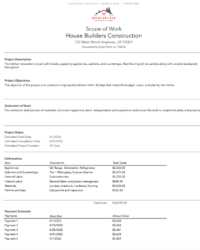
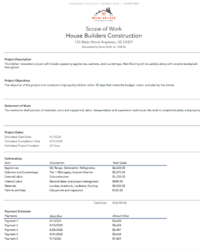
Embarking on a bathroom renovation can be an exciting journey, transforming an outdated space into a personal oasis. However, without a clear roadmap, even the most enthusiastic project can quickly derail. That’s where a well-defined plan becomes your best friend.
Imagine knowing exactly what work will be done, by whom, and when, down to the last detail. This level of clarity is precisely what a comprehensive bathroom renovation scope of work template provides. It acts as the backbone of your project, ensuring everyone involved – from you to your contractor – is on the same page from start to finish.
Having a detailed scope of work isn’t just about listing tasks; it’s about setting expectations, preventing misunderstandings, and safeguarding your budget and timeline. It’s the ultimate tool for a stress-free and successful renovation.
What Exactly Goes into a Bathroom Renovation Scope of Work?
A bathroom renovation scope of work is more than just a simple checklist; it’s a living document that outlines every single task, material, and process required to complete your project. Think of it as a detailed blueprint for the work, moving beyond just aesthetics to cover the nitty-gritty operational details. This ensures no stone is left unturned and helps prevent costly surprises down the line.
When you’re putting together your bathroom renovation scope of work template, you’ll want to cover several key areas comprehensively. Starting with the basics, it should identify the project, the client, the location, and the general project timeline. This foundational information sets the stage for everything else that follows.
Key Phases and Elements to Include
Once the initial details are covered, the scope delves into the actual work. Here’s a breakdown of the typical phases and elements you should consider:
- Demolition: Specify what needs to be removed – old tiles, vanity, toilet, shower, bathtub, light fixtures, mirrors. Include details on debris removal and disposal.
- Rough-in Work: This critical phase involves structural, plumbing, and electrical modifications.
- Framing: Any wall alterations, niche constructions, or structural reinforcements.
- Plumbing: Relocation or installation of new water supply lines, drain lines, vent lines for toilet, sink, shower, and tub.
- Electrical: New wiring for outlets, light fixtures, exhaust fan, heated flooring, and GFCIs.
- Insulation and Drywall: Installation of new moisture-resistant drywall, taping, mudding, and sanding to prepare for finishes.
- Flooring: Selection and installation of new flooring material, including subfloor preparation, waterproofing membranes, and grouting.
- Wall Finishes: Details for tiling (type, pattern, grout), painting (primer, number of coats, specific colors), or other wall coverings.
- Fixture Installation: Placement and connection of the new vanity, countertop, sink, faucet, toilet, shower system, bathtub, and any accessories like towel bars or toilet paper holders.
- Lighting and Ventilation: Installation of new light fixtures, exhaust fan, and any decorative lighting.
- Trim and Doors: Installation of new baseboards, casing, and any new doors or door frames.
- Cleanup: A thorough final cleaning of the construction area, including removal of all dust and debris.
Beyond these primary tasks, it’s also wise to include sections for allowances for specific materials (like tiles or fixtures if not yet chosen), a contingency fund for unforeseen issues, and a clear change order process. This detailed approach minimizes ambiguity and ensures all parties understand the full scope of the commitment.
By meticulously documenting each step, from the first swing of the sledgehammer to the final wipedown, your scope of work template becomes an invaluable communication tool. It helps align expectations, provides a clear benchmark for progress, and significantly reduces the potential for disputes or cost overruns, ultimately leading to a more satisfying renovation experience.
Why You Can’t Skip This Step for a Smooth Renovation
Ignoring the creation of a detailed scope of work is akin to setting sail without a map – you might eventually reach your destination, but it will likely be fraught with unexpected detours, delays, and additional costs. For a bathroom renovation, skipping this crucial planning stage often leads to frustration for both homeowners and contractors alike.
A well-defined scope of work serves as a common language, translating your vision into actionable steps that your contractor can accurately price and execute. It ensures that the quoted price reflects the actual work intended, preventing those uncomfortable conversations about “extras” or “misunderstandings” once the project is underway. Moreover, it holds everyone accountable, providing a clear reference point to measure progress against.
Consider the benefits this document brings to your project:
- Budget Control: By outlining all tasks and materials, you get a much more accurate estimate, helping you stick to your financial plan.
- Timeline Adherence: A clear sequence of work allows for better scheduling and helps keep the project on track.
- Clear Communication: Reduces ambiguity and ensures everyone involved understands their roles and responsibilities.
- Quality Assurance: Specific material choices and installation methods can be detailed, ensuring the desired quality is met.
- Dispute Resolution: In the event of a disagreement, the scope of work serves as an objective reference document.
Ultimately, investing time upfront in developing a thorough bathroom renovation scope of work template saves you headaches, time, and money in the long run. It transforms a potentially chaotic process into an organized, predictable, and enjoyable experience, leading to the bathroom of your dreams without the nightmare of unexpected issues.
In conclusion, whether you’re tackling a small refresh or a complete overhaul, the importance of a meticulously crafted scope of work cannot be overstated. It’s the foundation upon which a successful renovation is built, guiding every decision and action from start to finish. Think of it as your project’s guardian angel, protecting your vision, your wallet, and your peace of mind.
So, before any hammer is lifted or tile is laid, dedicate the necessary effort to define every aspect of your bathroom renovation. This proactive step will undoubtedly lead to a smoother process, a happier contractor, and most importantly, a stunning new bathroom that perfectly matches your expectations and desires.