Every educator knows the feeling: the bell is about to ring, and you’re mentally scrolling through the day’s agenda, hoping you haven’t forgotten anything crucial. From managing classroom dynamics to delivering engaging content, teaching is a multifaceted art that requires meticulous preparation. While spontaneity has its place, a well-thought-out plan is the bedrock of effective instruction, ensuring that every minute in the classroom is purposeful and productive.
But let’s be honest, crafting a detailed lesson plan from scratch for every single class can feel like an overwhelming task. It demands significant time and energy, resources that are often in short supply for busy teachers. This is where a robust lesson plan template for teachers comes into play, offering a structured framework that not only saves time but also enhances the quality and consistency of your teaching. It’s not about stifling creativity; it’s about providing a reliable map for your pedagogical journey.
The Transformative Power of a Well-Structured Lesson Plan
Imagine walking into your classroom each day with a clear roadmap, knowing exactly what you’ll teach, how you’ll teach it, and what you expect your students to achieve. That’s the power a good lesson plan provides. It acts as your guide, helping you organize your thoughts, sequence activities logically, and anticipate potential challenges. It moves you from reactive teaching to proactive instruction, allowing you to focus more on student engagement and less on what comes next.
Beyond personal organization, a standardized lesson plan template brings consistency. Whether you’re a new teacher trying to find your footing or a seasoned educator looking to streamline your process, a template ensures you hit all the essential components every time. It reduces the mental load of remembering every detail, freeing up cognitive space for more important things, like building relationships with students or adapting to their real-time needs. Think of it as a professional checklist that empowers rather than restricts.
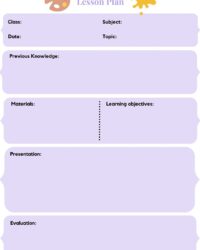
A well-designed template guides you through the process of articulating your learning objectives, selecting appropriate materials, outlining clear procedures, and planning for assessment. It prompts you to consider differentiation strategies for diverse learners and provides a space for reflection after the lesson. This holistic approach ensures that no critical element is overlooked, leading to more comprehensive and impactful teaching experiences for everyone involved.
Furthermore, a template isn’t a rigid straitjacket; it’s a flexible framework. You can adapt it to fit different subjects, grade levels, and teaching styles. It allows for creativity within structure, ensuring that while the core components are consistent, the content and delivery remain uniquely yours. This blend of reliability and adaptability is what makes a template an invaluable tool in any teacher’s arsenal.
Key Elements a Good Template Should Include
When you’re looking at a lesson plan template, consider if it prompts you for these crucial details:
- Clearly defined learning objectives or outcomes, stating what students should know or be able to do by the end of the lesson.
- A list of all necessary materials and resources, from textbooks to digital tools or art supplies.
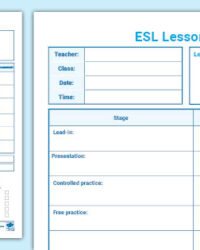
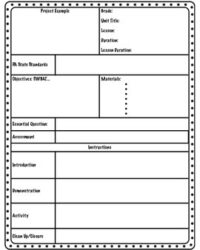
- A detailed breakdown of the lesson’s procedures, including introduction, guided practice, independent work, and conclusion.
- Planned methods for assessment, both formative and summative, to check for understanding.
- Strategies for differentiation, addressing the needs of students with varying abilities, learning styles, or backgrounds.
- A section for reflection, allowing you to jot down notes on what went well, what could be improved, and any observations about student learning.
Benefits Beyond the Classroom
Using a consistent template also fosters better communication with colleagues and administrators. A clear, uniform plan makes it easier for substitute teachers to step in, for mentor teachers to provide constructive feedback, and for school leaders to understand curriculum alignment. It’s a professional standard that elevates the quality of instruction across an entire department or school.
Finding and Adapting Your Ideal Lesson Plan Template
The digital world is brimming with resources for teachers, and lesson plan templates are no exception. You can find free templates online from educational websites, teacher blogs, and even through simple search engine queries. Many educational platforms offer customizable templates, while some professional organizations provide subject-specific formats. Whether you prefer a minimalistic design or one with more detailed sections, the key is to find a template that resonates with your planning style and pedagogical approach.
Once you’ve found a potential template, the real magic happens in adapting it to your unique needs. No single template will be a perfect fit for every teacher, every subject, or every group of students. Think of it as a starting point. Perhaps you need more space for notes on student engagement, or maybe you prefer a section dedicated to technology integration. Don’t be afraid to tweak the headings, add new sections, or even merge elements from different templates until you create something that truly serves you and your classroom.
The best lesson plan template is one that you consistently use and find genuinely helpful. It should be a tool that simplifies your life, not complicates it. Experiment with a few options, try them out in your daily planning, and pay attention to what feels intuitive and what slows you down. Over time, you’ll refine your template into a personalized system that supports your teaching effectiveness and empowers you to deliver your best lessons.
- Start simple with a basic template and gradually add complexity as you become comfortable.
- Consider your specific grade level and subject matter when choosing or modifying a template.
- Don’t be afraid to delete sections that aren’t relevant to your teaching style or context.
- Review your template periodically and make adjustments based on your evolving needs and classroom experiences.
- Share your template with colleagues to get feedback and potentially discover new ideas.
Ultimately, having a solid lesson plan template for teachers isn’t just about administrative compliance; it’s about elevating your craft. It provides a foundational structure that allows your creativity to flourish within clear boundaries, ensuring that every minute of instruction is maximized for student learning. It transforms planning from a chore into a thoughtful process, making your teaching journey more organized, confident, and impactful.
Embracing a systematic approach to lesson planning can significantly reduce stress and free up mental energy for what truly matters: connecting with your students and fostering a dynamic learning environment. It’s an investment in your professional well-being and, more importantly, in the success of every learner who walks through your classroom door.