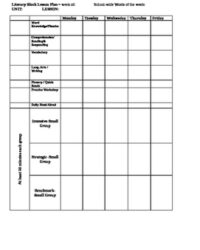
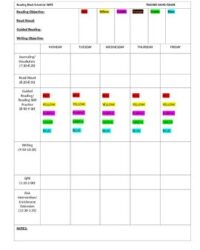
Diving into the world of reading instruction can sometimes feel like navigating a complex maze. As educators, we constantly strive to meet every student right where they are, fostering a love for reading while building essential skills. Guided reading is a cornerstone of effective literacy instruction, offering a powerful way to differentiate and personalize learning experiences for small groups. But organizing these sessions can be a juggle, especially when you’re managing multiple groups and diverse needs.
That’s where a well-crafted guided reading lesson plan template comes into its own. Imagine having a clear, concise framework that streamlines your planning, ensures consistency, and allows you to focus more on the students in front of you rather than the logistics of the lesson. It’s not just about filling in blanks; it’s about creating a roadmap that guides both you and your students toward successful literacy outcomes, making every precious minute count in your reading block.
The Building Blocks of an Effective Guided Reading Lesson
Creating a truly impactful guided reading lesson involves more than just picking a book and sitting with a group. It’s a thoughtful process of preparation, active engagement, and meaningful reflection that caters directly to the specific needs of your learners. When you break it down, you realize how many layers contribute to a successful session. A robust lesson plan template helps you systematically consider each of these vital components, ensuring nothing is overlooked and that the learning journey is cohesive and productive for your students.
Think about the pre-reading phase: what do your students need to know or consider before they even open the book? This isn’t just about predicting; it’s about activating prior knowledge, building background, and setting a clear purpose for reading. Then, during the reading itself, your role shifts from direct instruction to careful observation and strategic prompting. It’s about listening, guiding, and encouraging students to apply their burgeoning strategies independently. Finally, the post-reading activities solidify comprehension, extend thinking, and allow for a quick assessment of learning. Each phase is interconnected, building upon the last to create a powerful learning experience.
Planning for Pre-Reading Success
Before any reading begins, a great guided reading lesson lays the groundwork. This often involves a short, engaging discussion to pique interest and connect the text to students’ existing knowledge. You might introduce challenging vocabulary words that appear in the text, discuss the genre, or look at the book cover and illustrations together to make predictions. The goal here is to equip students with the tools and context they need to approach the text with confidence, reducing potential roadblocks and empowering them to engage more deeply with the material.
It’s also the perfect time to explicitly state the learning objective for the session. Are you focusing on identifying the main idea, understanding character development, or practicing decoding multi-syllabic words? Clearly communicating this objective helps students understand what to focus on and allows you to tailor your prompts and feedback throughout the lesson.
Facilitating Meaningful Engagement During Reading
During the actual reading, your role is that of a facilitator. Students should be doing the heavy lifting, reading the text either silently, quietly to themselves, or sometimes in a whisper-read, depending on their proficiency and the lesson’s aim. As they read, you are observing their strategies, noting their fluency, and listening for places where they might be applying or struggling with specific skills. This is where your pre-planned prompts come in handy, allowing you to gently guide them when they encounter difficulties, without just giving them the answer. You might ask questions like, “What strategy could you try there?” or “What do you think will happen next, and why?” This active monitoring ensures that you are providing targeted support exactly when and where it’s needed.
How a Guided Reading Lesson Plan Template Transforms Your Classroom
The beauty of a guided reading lesson plan template lies in its ability to bring structure and efficiency to your teaching. Instead of reinventing the wheel for every group and every book, a template provides a consistent framework that saves valuable planning time. This consistency isn’t just for you; it also benefits your students, as they become familiar with the routine and expectations of their guided reading sessions, allowing them to settle into the learning more quickly and effectively. It shifts your focus from the mechanics of lesson construction to the art of instruction and observation, allowing you to be more present and responsive to your students’ needs during the lesson itself.
Moreover, a well-designed template serves as a valuable record of your instruction. You can easily glance back at previous lessons to see what strategies were introduced, which students needed extra support, and what the next steps should be. This data-driven approach is crucial for ongoing assessment and for making informed decisions about student grouping and future instruction. It’s a living document that evolves with your students, ensuring that every reading experience is purposeful and progressive.
Utilizing a guided reading lesson plan template offers numerous advantages for educators:
- Streamlines the planning process, saving precious time.
- Ensures consistent implementation of key reading strategies across groups.
- Facilitates differentiation by prompting consideration of individual student needs.
- Provides a clear record of instruction for assessment and progress monitoring.
- Helps maintain focus on specific learning objectives during each session.
- Reduces cognitive load for teachers, allowing more energy for student interaction.
Embracing a structured approach to your guided reading instruction, facilitated by a comprehensive template, empowers you to deliver high-quality, targeted lessons consistently. It ensures that every student, regardless of their current reading level, receives the precise support and challenge they need to grow into confident and capable readers. Ultimately, it allows you to spend more time engaging with your students and less time grappling with lesson logistics, fostering a dynamic and effective learning environment.
By integrating a thoughtfully designed guided reading lesson plan template into your literacy toolkit, you’re not just organizing your lessons; you’re elevating the entire reading experience for your students. It’s a powerful tool that supports both teacher and learner, paving the way for deeper comprehension, stronger fluency, and a lifelong passion for reading.