Stepping into the world of project based learning, or PBL, can feel like unlocking a whole new level of engagement and understanding in your classroom. It’s an incredibly dynamic approach that shifts the focus from rote memorization to deep, meaningful inquiry, allowing students to tackle real-world problems and develop critical thinking skills. Imagine your students actively collaborating, designing, and presenting their solutions, rather than passively listening to lectures. This immersive experience not only makes learning more exciting but also helps knowledge stick, because students are building it themselves.
However, the beauty of PBL lies in its structured flexibility. While it encourages open-ended exploration, a well-defined framework is crucial for success. That’s where a solid project based learning lesson plan template becomes an invaluable tool. It acts as your roadmap, guiding you through the process of designing rich, authentic projects that align with learning goals while giving students the freedom to navigate their own paths. Without a clear plan, even the most innovative project idea can lose its way, so let’s explore how to make the most of this essential organizational tool.
Designing a Comprehensive Project Based Learning Lesson Plan Template
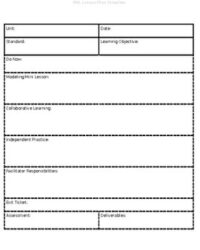
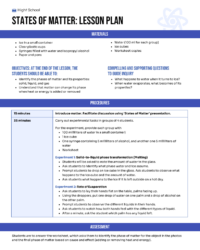
Crafting an effective project based learning lesson plan template is about more than just filling in blanks; it’s about strategically outlining the journey your students will embark upon. A robust template ensures that every critical element of the project is considered, from the initial spark of an idea to the final presentation and reflection. It helps you maintain focus on learning objectives, manage resources, and provide timely support, all while fostering student independence.
Think of your template as the architectural blueprint for an engaging learning experience. It needs to clearly define the purpose, process, and expected outcomes of the project. This foresight allows you to anticipate potential challenges, plan for differentiation, and ensure that the project genuinely enhances student understanding and skill development.
The Driving Question: The Heart of the Project
Every successful PBL unit begins with a compelling driving question. This isn’t just a simple query; it’s an open-ended, thought-provoking question that sparks curiosity and guides student inquiry throughout the project. It should be challenging, relevant, and broad enough to allow for multiple pathways to a solution. Your template should dedicate a prominent section to formulating and refining this question, ensuring it truly drives the learning.
Learning Objectives and Standards: Guiding the Journey
While inquiry is central, clear learning objectives and alignment with educational standards are non-negotiable. The template should prompt you to articulate what knowledge and skills students are expected to gain by the project’s completion. This ensures that the hands-on experience is purposeful and contributes directly to academic goals. Identifying these connections early helps you integrate curriculum requirements seamlessly into the project activities.
Assessment Strategies: Measuring Understanding
PBL thrives on authentic assessment. Beyond traditional tests, your template needs sections for formative and summative assessments that genuinely reflect student learning within the project context. This could include rubrics for products, presentations, collaboration, and self-reflection. Planning these assessment points from the outset helps you monitor progress, provide targeted feedback, and evaluate the overall effectiveness of the project.
Additionally, a comprehensive project based learning lesson plan template should include dedicated spaces for resources needed, a timeline with key milestones, opportunities for student voice and choice, and explicit sections for reflection, both by students and by you as the facilitator. These elements ensure a holistic and well-managed learning experience.
Maximizing Your Project Based Learning Lesson Plan Template
Possessing a well-designed project based learning lesson plan template is only the first step; the real magic happens in how you bring it to life in your classroom. This isn’t a static document to be filed away once complete, but rather a dynamic tool that evolves with your project. It should serve as a living guide, prompting you to constantly reflect on student engagement, learning progress, and opportunities for deeper inquiry.
Effective implementation involves more than just adhering to the plan; it’s about using the template as a springboard for creativity and adaptation. Be prepared to pivot when student interest takes an unexpected turn, or when real-world events provide an even richer context for exploration. The template provides the structure, but your responsiveness and flexibility as an educator ensure the project remains relevant and engaging.
Here are some tips for getting the most out of your template:
- Start with the End in Mind: Clearly define what you want students to know and be able to do before outlining the activities. This ensures purposeful project design.
- Foster Student Voice and Choice: Look for opportunities within the template’s structure to allow students to make meaningful decisions about their learning, from topic selection to presentation format.
- Integrate Real-World Connections: Use the template to brainstorm ways to connect the project to authentic audiences, community issues, or current events, making the learning more relevant.
- Encourage Iterative Feedback and Revision: Plan for multiple rounds of feedback and opportunities for students to refine their work, a hallmark of real-world project development.
- Prioritize Reflection: Build in explicit moments for students to reflect on their learning, challenges, successes, and the skills they developed throughout the project.
By actively using your template as a dynamic planning and reflection tool, you empower yourself to facilitate truly transformative learning experiences. It’s about building a robust framework that supports deep student engagement and meaningful educational outcomes, project after project.
Embracing a structured approach to project based learning doesn’t stifle creativity; rather, it provides the solid foundation upon which innovative and deeply impactful learning experiences can be built. When you have a clear understanding of the project’s arc, from the initial driving question to the final presentation, you are better equipped to guide your students through complex challenges and celebrate their successes. This thoughtful preparation translates into more confident students who are not just memorizing facts, but actively constructing knowledge and developing essential 21st-century skills.
Ultimately, investing time in a well-articulated project plan frees you to focus on the dynamic process of learning unfolding in your classroom. It allows you to be more present, to observe student needs, and to provide targeted support, knowing that the overall structure is sound. The result is a richer, more rewarding educational journey for everyone involved, fostering a classroom environment where curiosity thrives and every student feels empowered to make meaningful contributions.